To some, theology is a specter, an ivory tower, or a weathered cage. It either haunts, demeans, or confines. And I don’t blame people who think of theology this way.
Far too often, theology is presented in the public square as something that is either lofty or bigoted—as problematic or irrelevant. I believe that this has less to do with non-religious peoples’ understandings of theology and more to do with religious folks themselves, clergy and laity alike.
In an academic sense, theology is, by definition, the study of God—theo from theos meaning “God” and ology meaning “the study of.” However, in the practical sense, theology is one’s engagement with God, regardless of form or approach. To get this is to take theology of its pedestal and place it where it is meant to be—in the beautiful space between heaven and earth in which God desires to meet us as much as we desire to meet God.
Theology is not pontificating about G-d to the choir or engaging in abstract musings. Theology, at its best, is the expression of people’s understandings, perspectives, and experiences of G-d. And it is in that expression that theology transforms from a noun to a verb. Once it’s seen as such, then (and only then) can we truly begin to argue for its relevance.
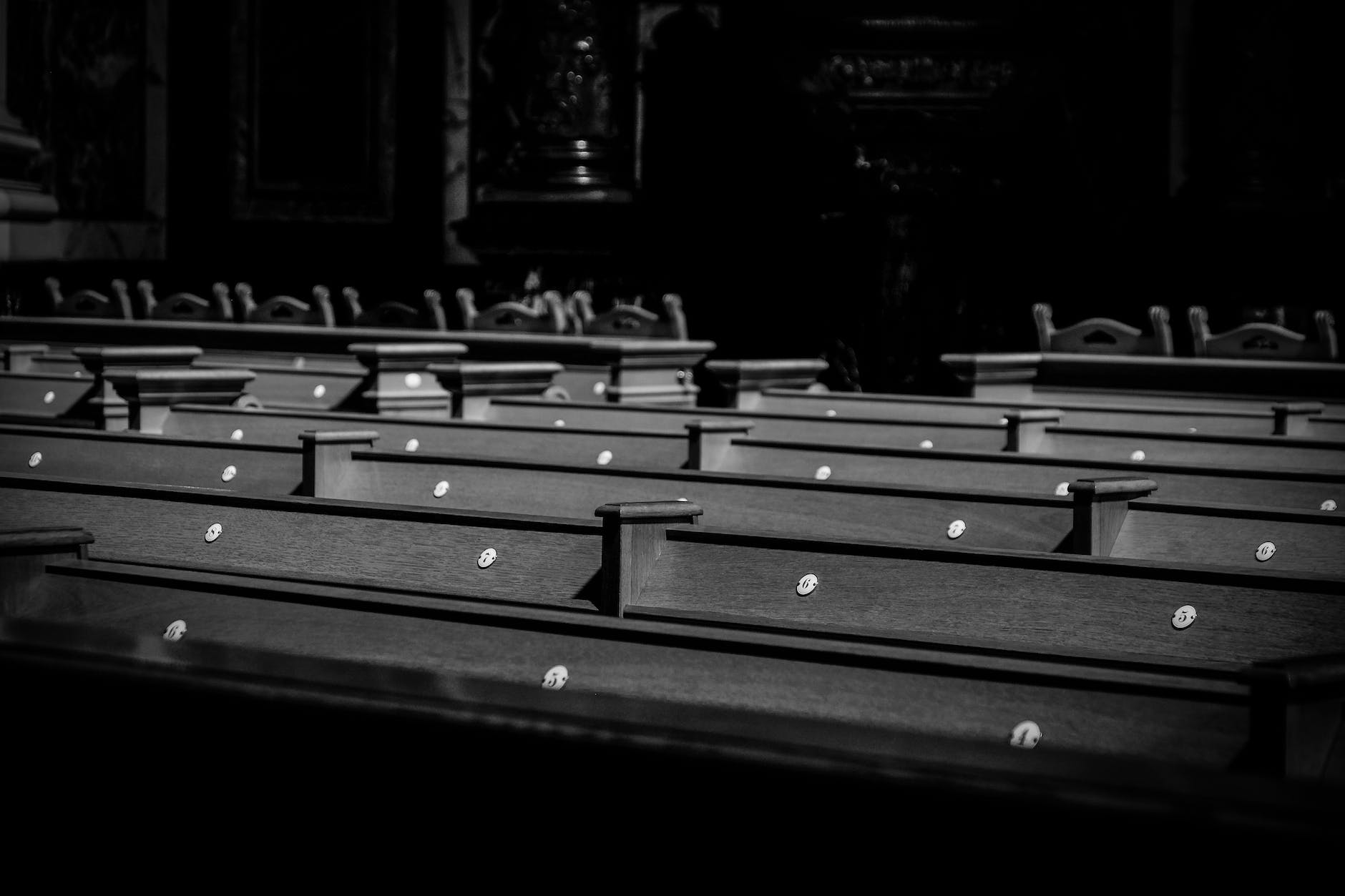
At its most fundamental level, theology is God-talk—talking about God. It doesn’t need to employ ecclesiastical jargon or be done within the walls of a parish hall or seminary classroom. It can be as simple as asking yourself (or someone else) questions like “what is God?” and “who is God?”, then wrestling with these same questions.
God-talk doesn’t need to be fluffy and comforting, nor does it need to be gut-wrenching or lofty. It’s as simple as talking, whether to oneself or to others.
The beauty of theology isn’t the nature of the questions themselves or the beliefs that one ultimately settles on. Rather, it is in the wrestling with God through God-talk that one finds the dynamism, energy, and excitement of theology. We are to be like Israel itself, whose name in Hebrew means “one who wrestles with God.”
In the end, no matter how we approach theology, we must appreciate that our experience is uniquely ours—for our questions, thoughts, tangents, rants, and cries into the void are our own.
Theology is as personal as it is intellectual, as mysterious as it is clarifying. It is something we do—an action, a verb, an endeavor, a journey. That journey can begin with a simple question or statement that strikes up a conversation.
If it’s talking about God, it’s theology. Simple as that.
 John Lee Wagas
Leave a comment